


Description
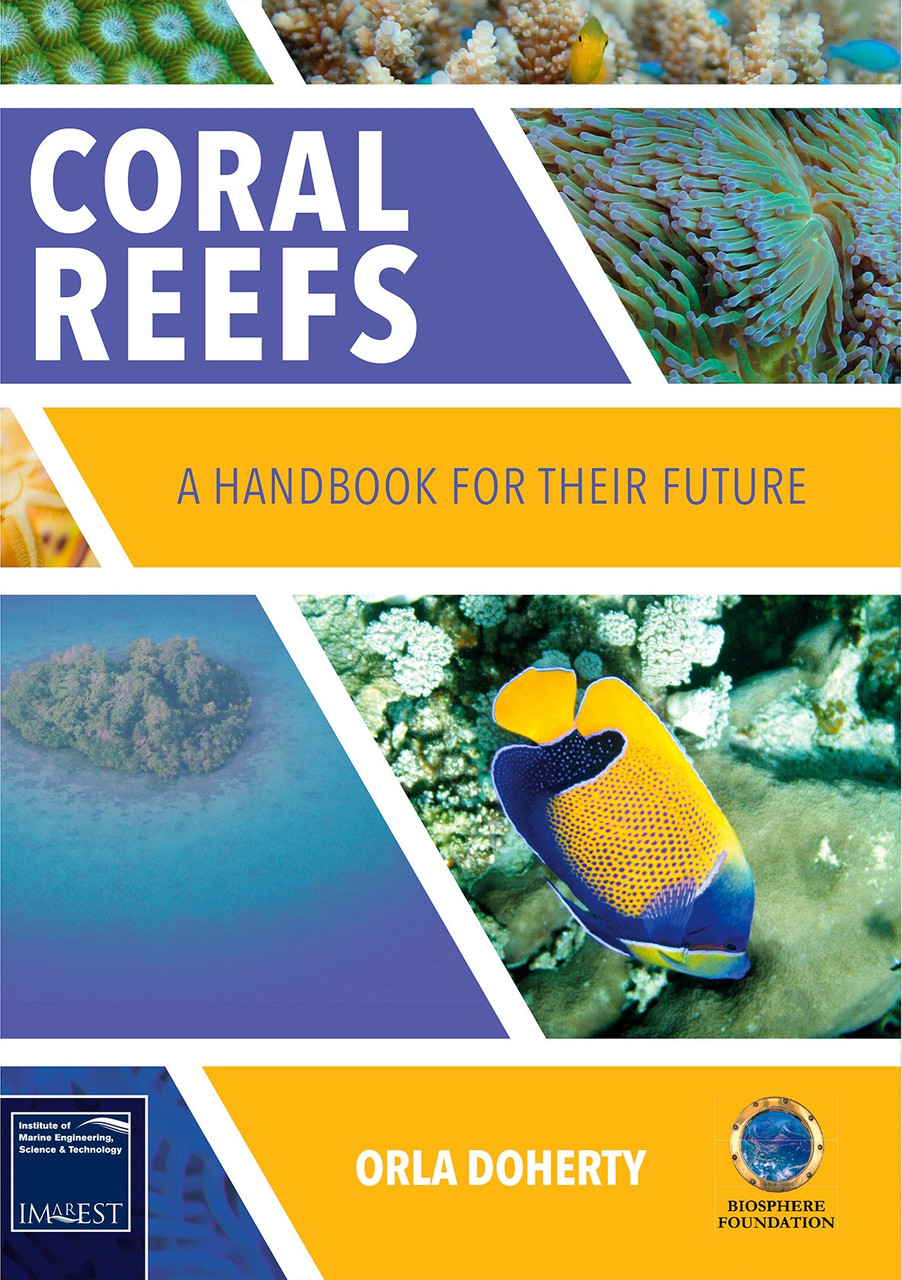
Coral Reefs – A Handbook for their future
Coral Reefs Handbook is a clear and accessible coral reef biology and ecology guide that explains how coral reefs function, why they are essential to marine biodiversity, and what threatens their future. It explores coral reef organisms, reef structure, growth, reproduction, resilience, and the global pressures affecting reef ecosystems.
The book explores coral reef life in depth, including corals, fish, invertebrates, plants, and algae. It also explains how reefs feed, grow, and reproduce, making it a valuable resource for anyone interested in marine biodiversity and ocean ecosystems.
Why This Coral Reefs Handbook Matters
Coral reefs are among the most diverse and productive ecosystems in the ocean. This handbook helps readers understand their ecological importance, the pressures they face, and why reef resilience matters for biodiversity, coastal communities, and the wider marine environment.
The book also examines the major threats to coral reefs worldwide, including natural hazards, human activity, and climate change. It provides a broader understanding of reef vulnerability while supporting stronger environmental awareness and conservation thinking.
For a more policy and sustainability-oriented internal connection, this title can be linked to A Guide to Environmental Compliance.
Illustrated with colour photographs and supported by observations from the Biosphere Foundation’s expedition to map and monitor the world’s coral reefs, this handbook combines science, environmental context, and practical insight in an engaging format.
Who Should Read This Coral Reefs Handbook?
This book is ideal for maritime learners, environmental educators, ocean enthusiasts, divers, students, and readers interested in marine ecosystems, reef conservation, and biodiversity.
Whether used for study, general knowledge, or environmental awareness, it offers a strong introduction to coral reef science and the challenges facing reefs around the world.
Who Should Read This Coral Reefs Handbook?
This book is a valuable introduction to coral reef ecosystems and their future. By combining biology, ecology, biodiversity, and conservation themes, it helps readers better understand one of the most important and vulnerable environments in the marine world:
1 Biodiversity source
They occupy 0.1% of the ocean’s surface, but they provide habitat to 25% of life in the sea. We still do not know how many animals and plants live on the reef, with estimates ranging from 600,000 to 9 million. 93,000 species have been described to date. At least 3 million and possibly 30 million living organisms exist. We may have only discovered 10% of coral reef species so far.
2 Primary producers
The microscopic algae that live inside many coral reef organisms are extremely effective primary producers, meaning that they facilitate the first essential step in the food chain in which inorganic chemicals are converted into organic ones that other organisms can use. In other words, coral reefs are fundamental to the food web that holds our biosphere together.
3 Livelihood provider
Around half a billion people depend on coral reefs for food, coastal protection, building materials and tourism business.
Frequently Asked Questions
What is this coral reef biology and ecology book about?
It explains how coral reefs function, why they matter, what organisms live on them, and what threats they face worldwide.
Does it cover coral reef conservation?
Yes, it examines the pressures on coral reefs and discusses resilience and the future of reef ecosystems.
Who should read this book?
It is suitable for students, divers, environmental readers, and anyone interested in marine biodiversity and reef ecology.
Does the coral reefs handbook include photographs?
Yes, it is illustrated throughout with colour photographs.
Is this book useful for general environmental awareness?
Yes, it is a strong resource for understanding the ecological importance of coral reefs and the challenges they face.

Reviews
There are no reviews yet.