


Description
Marine Engineering Q&A Book
The Marine Engineering Q&A Book is a practical revision and self-testing guide designed for students, trainers, cadets, and marine engineers who want to strengthen their understanding of onboard systems. It brings together clear questions and answers across core engineering subjects, making it easier to revise technical topics and build confidence in shipboard knowledge.
The Marine Engineering Q&A Book is a practical revision and self-testing guide designed for students, trainers, cadets, and marine engineers who want to strengthen their understanding of onboard systems. It brings together clear questions and answers across core engineering subjects, making it easier to revise technical topics and build confidence in shipboard knowledge.
Marine Engineering Q&A Book is a broad marine engineering revision book designed to support learning, revision, and self-testing across key shipboard engineering topics. Its question-and-answer format helps readers review technical knowledge efficiently while making it easier to locate specific subjects.
The book covers a wide range of marine engineering areas, including firefighting, safety, auxiliary machinery, engine room systems, ship construction, steering gear, shafting, electrical systems, electrical protection, electrical safety, instrumentation and control, diesel engine theory, fuel systems, combustion, lubrication, starting and manoeuvring safety, and boilers.
Why the Marine Engineering Q&A Book Matters
For many learners and working engineers, technical knowledge is easier to retain when presented as direct questions and answers. This guide supports that process by giving readers a practical way to revise complex shipboard topics, check understanding, and reinforce engineering fundamentals.
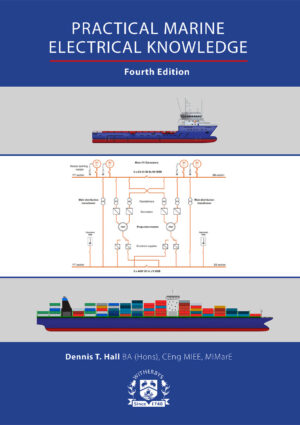
Because the scope is so broad, this title works best as a central engineering revision page within a wider technical silo. It should connect to deeper specialist resources such as Practical Marine Electrical Knowledge – Fourth Edition, Design of Propulsion and Electric Power Generation Systems Book, Operation and Maintenance of Machinery in Motorships Book, Troubleshooting Marine Switchgears and Controls, Motor Starters and Controls for Marine Gears Book, and Engine Room Procedures Guide.
For supporting operational and compliance context, it can also link to Marine Fuels: Preventing Claims and Disputes and Report Writing for Professional Marine Engineers Book.
Who Should Read Marine Engineering Q&A Book?
This book is ideal for marine engineering students, cadets, trainers, ETOs, junior engineers, and practicing marine engineers who need a practical revision aid across multiple technical subjects.
Whether used for exam preparation, onboard learning, refresher study, or structured self-testing, it provides a strong foundation across the core areas of marine engineering knowledge.
Marine Engineering Q&A Book Contents Listing
Marine Engineering Q&A Contents
Questions
1 Firefighting
- 1.1 Questions – Fire Prevention and Sources of Ignition on Ships
- 1.2 Questions – Inert Gas and Extinguishers
- 1.3 Questions – CO2, Sprinkler Systems and Detection
- 1.4 Questions – Classification Regulations
2 Safety
- 2.1 Questions – Enclosed Spaces and Entry
- 2.2 Questions – Lifting Plant and Welding
- 2.3 Questions – Pollution and Harmful Substances
3 Materials
- 3 Materials
4 Auxiliary Machinery
- 4.1 Questions – Heat Exchangers
- 4.2 Questions – Pumps
- 4.3 Questions – Filters
- 4.4 Questions – Stabilisers
- 4.5 Questions – Refrigeration
5 Engine Room Systems
- 5.1 Questions – Bilge And Ballast System
- 5.2 Questions – Fresh Water and Seawater Cooling Systems
- 5.3 Questions – Fuel Oil System
- 5.4 Questions – Engine Room Systems (General)
6 Ship Construction
- 6.1 Questions – Ship Construction
7 Steering Gear
- 7.1 Questions – Steering Gear
8 Shafting
- 8.1 Questions – Shafting
9 Electrical
- 9.1 Questions – Switchboards, Circuit breakers and Switchboard Instrumentation
- 9.2 Questions – Parallel Operation of Generators
- 9.3 Questions – Motor Starters
- 9.4 Questions – Shore Supply
- 9.5 Questions – Electrical (General)
10 Electrical Protection
- 10.1 Questions – Electrical Protection (General)
- 10.2 Questions – Fault Protection
- 10.3 Questions – Circuit Breaker
- 10.4 Questions – Overcurrent Protection
- 10.5 Questions – Fuses
- 10.6 Questions – Protection Discrimination
- 10.7 Questions – Loss of Excitation
- 10.8 Questions – Undervoltage Protection
- 10.9 Questions – Reverse Power Protection
- 10.10 Questions – Motor Overload Protection
- 10.11 Questions – Earth Faults
11 Electrical Safety
- 11.1 Questions – General Electrical Maintenance
- 11.2 Questions – Switchboard Maintenance
- 11.3 Questions – Motor Maintenance
- 11.4 Questions – Motor Control Gear Maintenance
- 11.5 Questions – Maintenance of Lighting
- 11.6 Questions – Electric Shock
- 11.7 Questions – Circuit Safety Devices
- 11.8 Questions – Earth Safety Devices
- 11.9 Questions – Welding
- 11.10 Questions – Static Electricity and Interference
- 11.11 Questions – Emergency Power Supplies
12 Instrumentation and Control
- 12.1 Questions – Control (General)
- 12.2 Questions – Control Systems
- 12.3 Questions – Measuring Instruments
- 12.4 Questions – Automatic Control Theory
- 12.5 Questions – Types of Control Action
- 12.6 Questions – Automatic Controllers
- 12.7 Questions – Control System Components
- 12.8 Questions – Supply Systems
- 12.9 Questions – Practical Control Systems
- 12.10 Questions – Alarm Indication Systems
- 12.11 Questions – Operation And Maintenance
13 Diesel Engine Theory & Structure
- 13.1 Questions – Engine Types
- 13.2 Questions – Engine Construction
- 13.3 Questions – The Crankshaft
- 13.4 Questions – Connecting Rods and Crossheads
- 13.5 Questions – Pistons
- 13.6 Questions – Cylinder Diaphragm and Piston Rod Gland
- 13.7 Questions – Cylinder Liner
- 13.8 Questions – Cylinder Cover
- 13.9 Questions – Camshafts and Valve Gear
- 13.10 Questions – Turbocharge Systems
14 Fuel Systems
- 14.1 Questions – Fuel Oil
- 14.2 Questions – Supply of Fuel Oil
- 14.3 Questions – Fuel Pumps
- 14.4 Questions – Fuel Injectors
15 Combustion
- 15.1 Questions – Fuel and Fuel Burning (Diesel Engines)
16 Lubrication
- 16.1 Questions – The lubricating oil system
- 16.2 Questions – Lubricating Oils (1)
- 16.3 Questions – Lubrication Fundamentals
- 16.4 Questions – Lubricating Oils (2)
- 16.5 Questions – Shipboard Lubricating Oil Tests
- 16.6 Questions – Grease
- 16.7 Questions – Oil Drain Tank
- 16.8 Questions – Pre-Cleaning and Corrosion Protection
- 16.9 Questions – Rotary Displacement Pumps
- 16.10 Questions – Coolers
- 16.11 Questions – Oil Maintenance
17 Starting & Manoeuvring Safety
- 17.1 Questions – Starting Air
- 17.2 Questions – Manoeuvring/Direct Reversing Engines
- 17.3 Questions – Safety Systems (Crankcase)
18 Boilers
- 18.1 Questions – Boiler Types
- 18.2 Questions – Evaporators
- 18.3 Questions – Boiler Mountings
- 18.4 Questions – Water Gauges
- 18.5 Questions – Boiler Operation
- 18.6 Questions – Tube Failures
Answers
1 Firefighting
- 1.1 Answers – Fire Prevention and Sources of Ignition on Ships
- 1.2 Answers – Inert Gas and Extinguishers
- 1.3 Answers – CO2, Sprinkler Systems and Detection
- 1.4 Answers – Classification Regulations
2 Safety
- 2.1 Answers – Enclosed Spaces and Entry
- 2.2 Answers – Lifting Plant and Welding
- 2.3 Answers – Pollution and Harmful Substances
3 Materials
- 3 Materials
4 Auxiliary Machinery
- 4.1 Answers – Heat Exchangers
- 4.2 Answers – Pumps
- 4.3 Answers – Filters
- 4.4 Answers – Stabilisers
- 4.5 Answers – Refrigeration
5 Engine Room Systems
- 5.1 Answers – Bilge and Ballast System
- 5.2 Answers – Fresh Water and Sea Water Cooling Systems
- 5.3 Answers – Fuel Oil System
- 5.4 Answers – Engine Room Systems (General)
6 Ship Construction
- 6.1 Answers – Ship Construction
7 Steering Gear
- 7.1 Answers – Steering Gear
8 Shafting
- 8.1 Answers – Shafting
9 Electrical
- 9.1 Answers – Switchboards, Circuit breakers, Switchboard Instrumentation
- 9.2 Answers – Parallel Operation of Generators
- 9.3 Answers – Motor Starters
- 9.4 Answers – Shore Supply
- 9.5 Answers – Electrical (General)
10 Electrical Protection
- 10.1 Answers – Electrical Protection (General)
- 10.2 Answers – Fault Protection
- 10.3 Answers – Circuit Breaker
- 10.4 Answers – Overcurrent Protection
- 10.5 Answers – Fuses
- 10.6 Answers – Protection Discrimination
- 10.7 Answers – Loss of Excitation
- 10.8 Answers – Undervoltage Protection
- 10.9 Answers – Reverse Power Protection
- 10.10 Answers – Motor Overload Protection
- 10.11 Answers – Earth Faults
11 Electrical Safety
- 11.1 Answers – General Electrical Maintenance
- 11.2 Answers – Switchboard Maintenance
- 11.3 Answers – Motor Maintenance
- 11.4 Answers – Motor Control Gear Maintenance
- 11.5 Answers – Maintenance of Lighting
- 11.6 Answers – Electric Shock
- 11.7 Answers – Circuit Safety Devices
- 11.8 Answers – Earth Safety Devices
- 11.9 Answers – Welding
- 11.10 Answers – Static Electricity and Interference
- 11.11 Answers – Emergency Power Supplies
12 Instrumentation and Control
- 12.1 Answers – Control (General)
- 12.2 Answers – Control Systems
- 12.3 Answers – Measuring Instruments
- 12.4 Answers – Automatic Control Theory
- 12.5 Answers – Types of Control Action
- 12.6 Answers – Automatic Controllers
- 12.7 Answers – Control System Components
- 12.8 Answers – Supply Systems
- 12.9 Answers – Practical Control Systems
- 12.10 Answers – Alarm Indication Systems
- 12.11 Answers – Operation and Maintenance
13 Diesel Engine Theory & Structure
- 13.1 Answers – Engine Types
- 13.2 Answers – Engine Construction
- 13.3 Answers – The Crankshaft
- 13.4 Answers – Connecting Rods and Crossheads
- 13.5 Answers – Pistons
- 13.6 Answers – Cylinder Diaphragm and Piston Rod Gland
- 13.7 Answers – Cylinder Liner
- 13.8 Answers – Cylinder Cover
- 13.9 Answers – Camshafts and Valve Gear
- 13.10 Answers – Turbocharge Systems
14 Fuel Systems
- 14.1 Answers – Fuel Oil
- 14.2 Answers – Supply of Fuel Oil
- 14.3 Answers – Fuel Pumps
- 14.4 Answers – Fuel Injectors
15 Combustion
- 15.1 Answers – Fuel and Fuel Burning (Diesel Engines)
16 Lubrication
- 16.1 Answers – The Lubricating Oil System
- 16.2 Answers – Lubricating Oils (1)
- 16.3 Answers – Lubrication Fundamentals
- 16.4 Answers – Lubricating Oils (2)
- 16.5 Answers – Shipboard Lubricating Oil Tests
- 16.6 Answers – Grease
- 16.7 Answers – Oil Drain Tank
- 16.8 Answers – Pre-Cleaning and Corrosion Protection
- 16.9 Answers – Rotary Displacement Pumps
- 16.10 Answers – Coolers
- 16.11 Answers – Oil Maintenance
17 Starting & Manoeuvring Safety
- 17.1 Answers – Starting Air
- 17.2 Answers – Manoeuvring / Direct Reversing Engines
- 17.3 Answers – Safety Systems (Crankcase)
18 Boilers
- 18.1 Answers – Boiler Types
- 18.2 Answers – Evaporators
- 18.3 Answers – Boiler Mountings
- 18.4 Answers – Water Gauges
- 18.5 Answers – Boiler Operation
- 18.6 Answers – Tube Failures
This book is an excellent core revision resource for marine engineers who need broad technical coverage in one place. By combining clear questions, concise answers, and a wide systems range, it helps readers strengthen understanding across the engineering knowledge needed onboard.
Frequently Asked Questions
What is the Marine Engineering Q & A Book used for?
It is used for revision, self-testing, and strengthening understanding across a wide range of shipboard engineering subjects.
Who should read Marine Engineering Q & A Book?
It is suitable for students, cadets, trainers, marine engineers, and technical personnel who want a structured engineering study aid.
Does it cover electrical and machinery topics?
Yes, it covers electrical systems, protection, safety, instrumentation, auxiliary machinery, engine room systems, diesel engines, fuel, lubrication, and boilers.
Is it useful for exam preparation?
Yes, its question-and-answer structure makes it especially useful for revision and self-testing before exams or assessments.
Is this a specialist or broad engineering book?
It is a broad engineering revision guide that works best alongside deeper specialist resources for electrical, propulsion, and machinery topics.

Reviews
There are no reviews yet.