Description
International Code of Signals (IA994E)
International Code of Signals (IA994E) is a practical maritime signal communication guide designed to help seafarers communicate clearly and effectively at sea using internationally recognised signals. This international code of signals book covers flag signalling, flashing light, sound signalling, radiotelephony, distress communication, and medical assistance messages used in both routine operations and emergency situations.
The International Code of Signals Book is an essential reference for shipboard communication where language barriers, safety risks, and time-critical decisions are involved. It provides a standardised system that allows mariners to transmit complete meanings using globally understood signals, ensuring clarity across international crews and vessels.
This guide includes signalling methods such as flag signalling, flashing light communication, sound signals, Morse signalling, and radiotelephony procedures. It also covers distress messages, navigation warnings, weather communication, and medical assistance signals, making it a key tool for both operational efficiency and emergency response at sea.
Why This International Code of Signals Book is Essential at Sea
The International Code of Signals is widely recognised as a critical safety reference and is intended for emergency use onboard ships. According to maritime safety standards, it should always be available in hard copy alongside essential publications. It plays a key role in improving communication during emergencies, navigation challenges, and coordination between vessels.
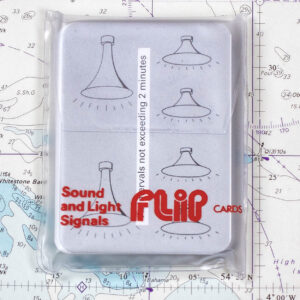
For a more complete understanding of maritime communication and navigation signals, this guide works especially well alongside Lights and Shapes at Sea and COLREGS Sound and Light Signals, helping bridge teams interpret visual and sound signals more effectively.
It also complements practical onboard safety resources such as Shipboard Drills Book, which supports emergency preparedness, and Safety and Health at Sea, which strengthens onboard safety culture and risk management.
For official maritime standards and regulatory context, this publication aligns with guidance provided by the International Maritime Organization (IMO), which governs global safety and communication practices at sea.
Who Should Read This Book?
This book is ideal for Masters, deck officers, cadets, maritime students, and crew responsible for navigation and communication onboard. It is also valuable for training providers and maritime institutions supporting STCW and safety training programs.
Whether you are preparing for emergencies, improving bridge communication, or strengthening your understanding of maritime signalling systems, this book provides the structured guidance needed to operate safely and confidently in international waters.
This publication is an essential resource for vessels aiming to improve communication accuracy, emergency preparedness, and compliance with international maritime standards. By providing a universal language of signals, the International Code of Signals Book helps ensure safer and more efficient ship operations worldwide.
Contents Listing:
Chapter I Explanations and general remarks
Chapter II Definitions
Chapter III Methods of signalling
Chapter IV General instructions
Chapter V Flag signalling
Chapter VI Flashing light signalling
Chapter VII Sound signalling
Chapter VIII Radiotelephony
Chapter IX Morse signalling by hand-flags or arms
Chapter X Morse symbols – phonetic tables – procedure signals
Chapter XI Single-letter signals
Chapter XII Single-letter signals with complements
Chapter XIII Single-letter signals between ice-breaker and assisted vessels
Chapter XIV Identification of medical transports in armed conflict and permanent identification of rescue craft
General section
I Distress – emergency
Abandon
Accident – doctor – injured / sick
Aircraft – Helicopter
Assistance
Boats – rafts
Disabled – drifting – sinking
Distress
Position
Search and rescue
Survivors
II Casualties – damages
Collision
Damages – repairs
Diver – underwater operations
Fire – explosion
Grounding – beaching – refloating
Leak
Towing – Tugs
III Aids to navigation – navigation – hydrography
Aids to navigation
Bar
Bearings
Canal – channel – fairway
Course
Dangers to navigation – warnings
Depth – draught
Electronic navigation
Mines – minesweeping
Navigation lights – searchlight
Navigating and steering instructions
Tide
IV Manoeuvres
Ahead – astern
Alongside
To anchor – anchor(s) – anchorage
Engines – propeller
Landing – boarding
Manoeuvre
Proceed – under way
Speed
Stop – heave to
V Miscellaneous
Cargo – ballast
Crew – persons on board
Fishery
Pilot
Port – harbour
Miscellaneous
VI Meteorology – weather
Clouds
Gale – storm – tropical storm
Ice – Icebergs
Ice-breaker
Atmospheric pressure – temperature
Sea – swell
Visibility – fog
Weather – Weather forecast
Wind
VII Routeing of ships
VIII Communications
Acknowledge – answer
Calling
Cancel
Communicate
Exercise
Reception – transmission
Repeat
IX International Health Regulations
Pratique messages
Tables of complements
Medical section
Table of contents
Instructions
I Request for medical assistance
II Medical advice
Tables of complements
Medical index
Appendices
Appendix 1 – Distress signals
Appendix 2 – Tables of signalling flags
Appendix 3 – Table of life-saving signals
Appendix 4 – Radiotelephone procedures
General index
Frequently Asked Questions
What is the International Code of Signals Book used for?
This book is used to support clear and standardised communication at sea through flag signals, radio procedures, distress signals, and other recognised maritime signalling methods.
Who should read the International Code of Signals Book?
It is suitable for Masters, deck officers, cadets, maritime students, and crew involved in navigation, communication, and emergency response.
Does the book cover emergency signalling?
Yes, it includes distress signals, search and rescue communication, medical assistance requests, and safety-related signalling procedures.
Does it include flag and radiotelephone signalling?
Yes, the book covers flag signalling, flashing light signalling, sound signalling, radiotelephony, and Morse communication methods.
Is the International Code of Signals still relevant onboard ships?
Yes, it remains an important reference for maritime communication and emergency preparedness, especially where standardised signalling is required.